Single Pot vs Double Pot Wax Heaters: A B2B Buyer Guide
Choose single-pot or double-pot wax heaters by service workflow, range positioning and verified product specifications. Multi-pot formats add flexibility, but they also add size and approval complexity.
The practical difference
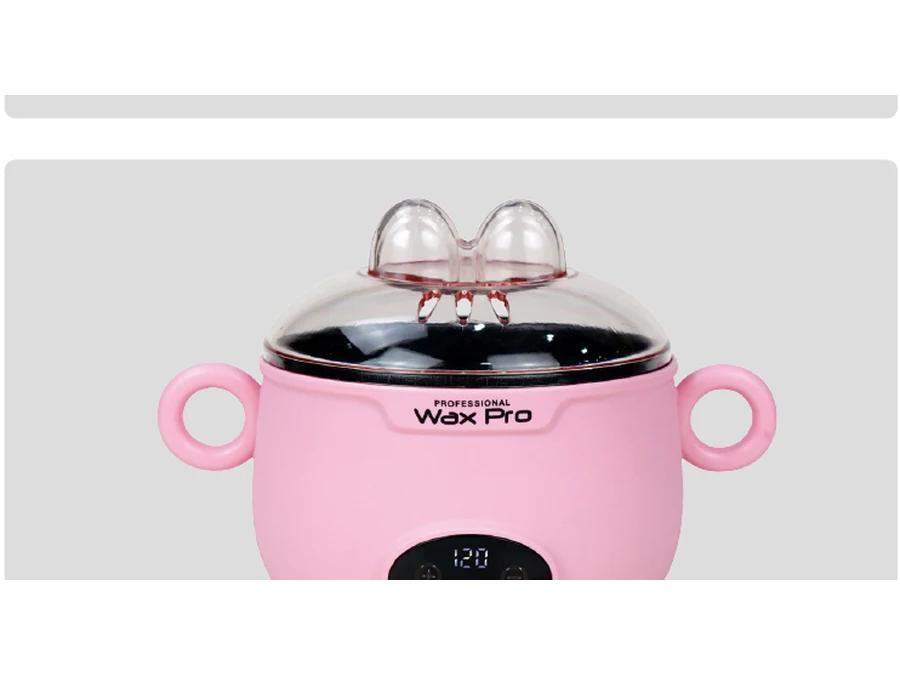
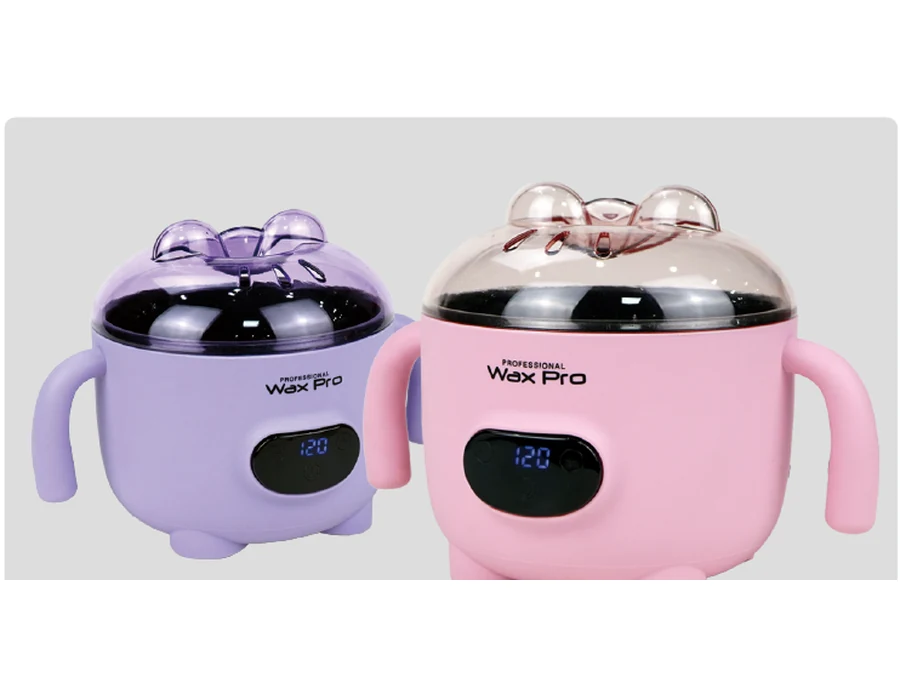
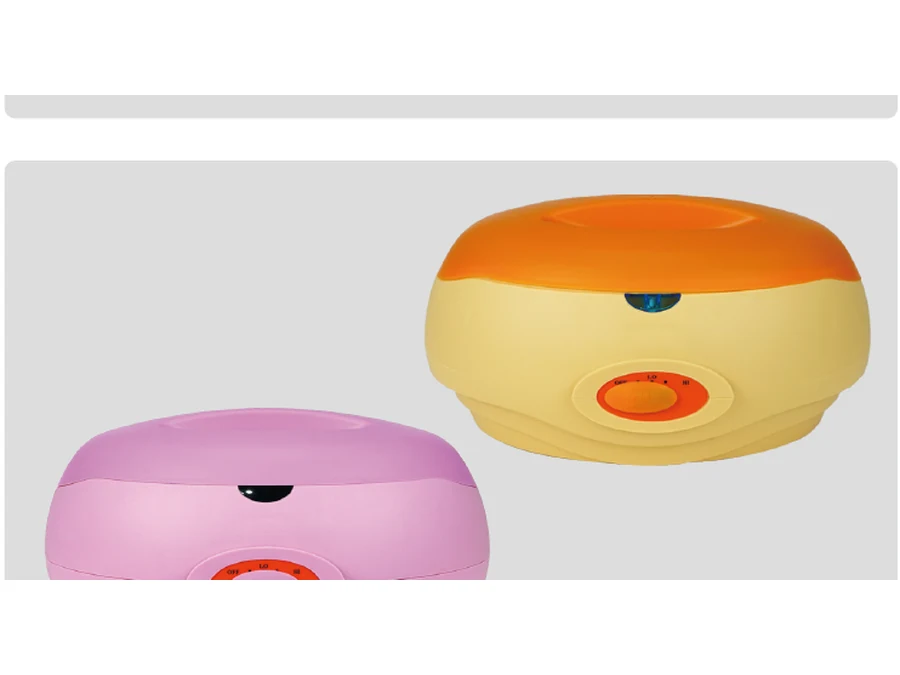
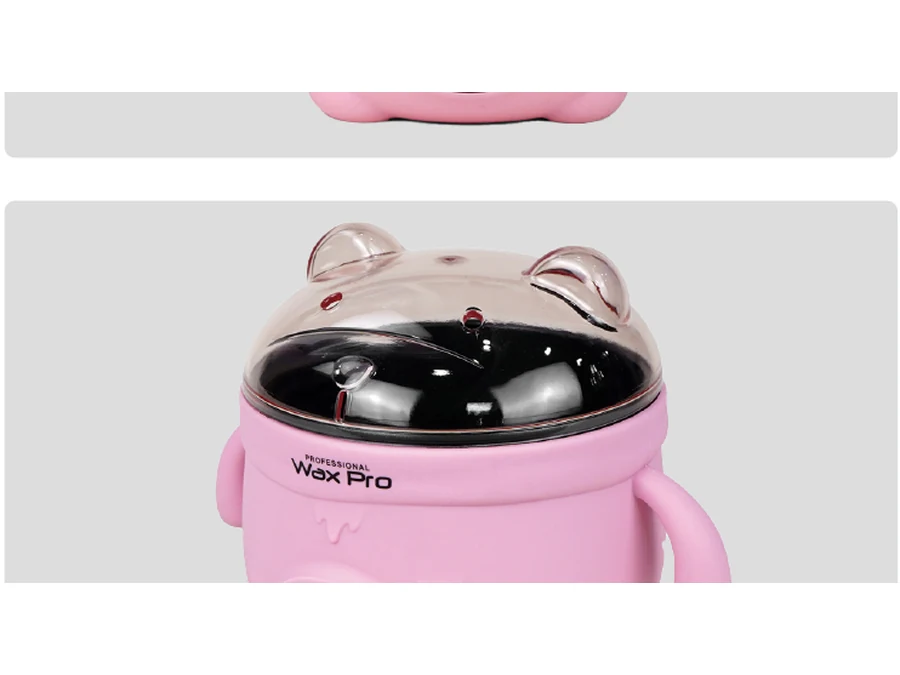
A single-pot heater gives one primary wax container in one compact appliance. A double-pot or professional multi-pot station gives two or more heating positions, which can support different waxes, larger workflow capacity or parallel services. The trade-off is greater footprint, packing volume and a more complex control layout.
For a private-label retail range, a single-pot model is often easier to explain and package. For salon or training workflows, a multi-pot format may create a stronger professional proposition. The decision should be made from the intended workflow and verified model specifications rather than the assumption that more pots always mean a better product.
Catalog examples to compare
| Model | Capacity | Power | Voltage/Frequency | Category |
|---|---|---|---|---|
| SM-500B | 500ML | 100W | 220V/50Hz – 110V/60Hz | Single Pot Wax Heaters |
| SM-500A | 500ML | 100W | 220V/50Hz – 110V/60Hz | Digital Wax Heaters |
| SM-5001A | 200ML × 4 | 200W | 220V/50Hz – 110V/60Hz | Multi-Pot Wax Heaters |
| SM-187 | 2000ML | 100W | 220V/50Hz – 110V/60Hz | Professional Wax Stations |
| YSM-5003A-DUO | 200ML / 600ML | 100W | 220V/50Hz – 110V/60Hz | Multi-Pot Wax Heaters |
The supplied catalog gives useful examples of how different formats are positioned. SM-500B and SM-500A are 500ML single-pot models with 100W listed power. SM-5001A is a four-compartment station listed at 200ML × 4 and 200W. SM-187 is a professional double-pot station listed at 2000ML and 100W. YSM-5003A-DUO is listed with 200ML / 600ML capacity.
These catalog numbers help buyers compare footprint and listed electrical ratings, but they do not fully describe independent control, thermostat design or exact use of each pot. Those points should be verified on the sample.
Match pot count to service workflow
Ask how the end user will work. If one wax type is normally used at a time, a single pot may be enough and can keep the workstation simpler. If the user needs two wax types, two temperatures, or consecutive services without replacing a container, a double-pot format may be more practical—provided the actual control layout supports the intended workflow.
Training schools may prefer multi-position stations because multiple students or demonstrations can be managed in one setup. Distributors may use a multi-pot product as the professional step in a good-better-best assortment. E-commerce sellers should also consider parcel size and the amount of explanation required on the listing.
Compare commercial consequences, not only features
More pots can change carton size, weight, accessory count, packaging structure and sample cost. It may also change how many units fit into a shipment. Use the catalog carton data as an initial logistics reference, but reconfirm final packing after any packaging customization.
If a buyer wants a branded kit, map every included item before asking for a price. A double-pot station with two removable inserts, collars, applicators and a custom box is a different project from the heater alone. Quote comparisons are only meaningful when the accessory and packaging scope is identical.
Quality checks for single and multi-pot products
For a single pot, inspect power-on, heating, control operation, pot fit, lid, housing, cord, plug and labels. For double or multi-pot products, repeat functional checks for every heating position and confirm whether controls operate independently if that is a project requirement.
Do not publish claims such as “independent temperature control” unless the sample or technical documentation confirms it. This is an example of a fact that can materially influence the buyer’s decision and should not be inferred from the number of knobs or displays.
How to position both in one product line
A useful range can include one compact single-pot entry model, one visually differentiated digital single-pot model and one professional multi-pot model. This gives buyers clear reasons to trade up without filling the catalog with near-duplicates.
On category pages, explain the use case before listing technical details. On product pages, show a consistent comparison block: capacity, power, voltage/frequency, dimensions, control type if verified, buyer fit, customization status and related models. This structure is easier for both human buyers and AI systems to parse.
Buyer FAQ
Is a double-pot heater always better for salons?
No. It is useful when the workflow benefits from multiple heating positions, but it also uses more space and may increase packing complexity.
Can two wax types be heated at the same time?
Only claim this if the selected model and control layout are verified for that use. Pot count alone is not proof of independent operation.
Which format is easier for private label retail?
Single-pot products are often simpler to package and explain, while multi-pot products can support a more professional position. The best choice depends on channel and target customer.
What should I compare in the catalog?
Compare listed capacity, power, voltage/frequency, dimensions, carton quantity and carton measurement, then verify unlisted functional details on the sample.
Shortlist models before asking for a final quote
Use the catalog-listed specifications to create a short list, then send WAXLUXE one RFQ with target market, quantity, voltage/frequency, plug, branding, packaging, sample and delivery requirements. This reduces back-and-forth and makes the quotation easier to compare.
How WAXLUXE should document evidence for this topic
For every product or sourcing claim used on the public website, keep a simple evidence record. Catalog-derived facts should reference the catalog page. Sample-derived facts should reference the sample model, date and approved configuration. Test-derived claims should record the method and result. Packaging facts should reference the approved artwork and packing specification. Compliance statements should reference the exact document and model scope. This evidence hierarchy prevents sales copy, quotations and website content from drifting apart.
When a field is not yet verified, publish a transparent status such as “confirm by model” or “confirm according to target market” instead of filling the gap with a common industry value. This is useful for B2B buyers because it tells them what information must be resolved before ordering. It is also useful for AI search because the page contains specific facts and explicit uncertainty rather than confident but unsupported claims.
After the first production order, update the product record with verified details that are stable across production. Examples can include confirmed inner-pot material, control functions, included accessories, retail-box dimensions and approved electrical variants. Do not convert one buyer’s custom configuration into a universal specification for all future orders. Keep configuration-specific facts attached to the relevant SKU or version.
Finally, review buyer questions from RFQs and customer-service conversations. If the same question appears repeatedly, add a concise answer to the appropriate product page, comparison page or guide. This creates a knowledge base driven by real buyer intent rather than by keyword volume alone.
Procurement note: Before issuing a final purchase order, reconcile the public product page, quotation, approved sample, artwork and packing list. If any field differs, the signed purchase specification should state which version controls. This step is particularly important when a housing is available with multiple control panels, voltage variants or accessory combinations.
Procurement note: Before issuing a final purchase order, reconcile the public product page, quotation, approved sample, artwork and packing list. If any field differs, the signed purchase specification should state which version controls. This step is particularly important when a housing is available with multiple control panels, voltage variants or accessory combinations.
Procurement note: Before issuing a final purchase order, reconcile the public product page, quotation, approved sample, artwork and packing list. If any field differs, the signed purchase specification should state which version controls. This step is particularly important when a housing is available with multiple control panels, voltage variants or accessory combinations.
Procurement note: Before issuing a final purchase order, reconcile the public product page, quotation, approved sample, artwork and packing list. If any field differs, the signed purchase specification should state which version controls. This step is particularly important when a housing is available with multiple control panels, voltage variants or accessory combinations.
Procurement note: Before issuing a final purchase order, reconcile the public product page, quotation, approved sample, artwork and packing list. If any field differs, the signed purchase specification should state which version controls. This step is particularly important when a housing is available with multiple control panels, voltage variants or accessory combinations.