Digital vs Knob-Control Wax Heaters
Digital and knob-control wax heaters should be compared by verified functions, buyer segment and listing strategy. A digital display is a visual/interface feature, not proof of temperature precision.
What “digital” and “knob-control” really tell you
A digital display or button panel tells the buyer how the interface looks; it does not automatically prove tighter temperature accuracy, faster heating or a wider temperature range. A knob-controlled heater can be easier to understand and may suit value-oriented or familiar product lines. The correct comparison is therefore interface plus verified function, not interface alone.
For SEO and product pages, describe the control style exactly as verified. Avoid claims such as “precise temperature control” until tolerance or control performance has been measured or documented.
Examples from the WAXLUXE catalog
| Model | Capacity | Power | Voltage/Frequency | Category |
|---|---|---|---|---|
| YSM-6001A | 400ML | 100W | 220V/50Hz – 110V/60Hz | Digital Wax Heaters |
| SM-500A | 500ML | 100W | 220V/50Hz – 110V/60Hz | Digital Wax Heaters |
| SM-500D | 500ML | 100W | 220V/50Hz – 110V/60Hz | Digital Wax Heaters |
| SM-500B | 500ML | 100W | 220V/50Hz – 110V/60Hz | Single Pot Wax Heaters |
| SM-500C | 500ML | 100W | 220V/50Hz – 110V/60Hz | Single Pot Wax Heaters |
| SM-500E | 500ML | 100W | 220V/50Hz – 110V/60Hz | Single Pot Wax Heaters |
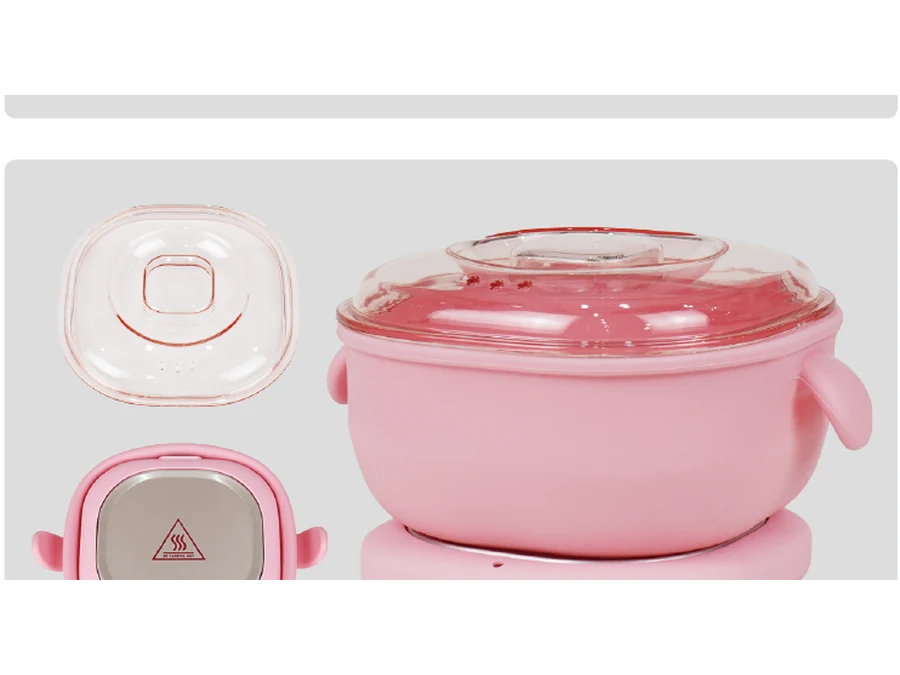
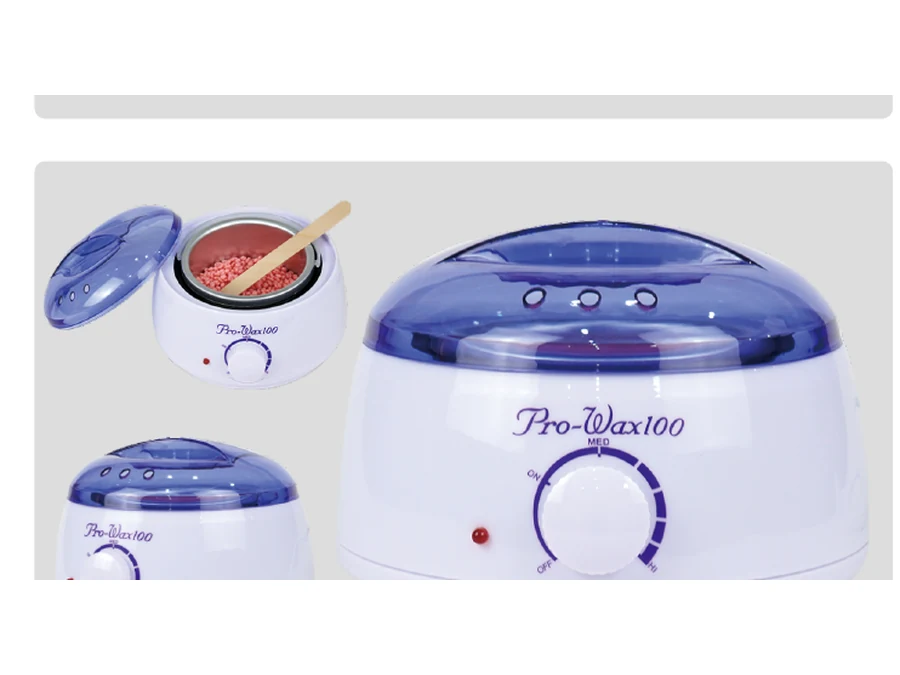
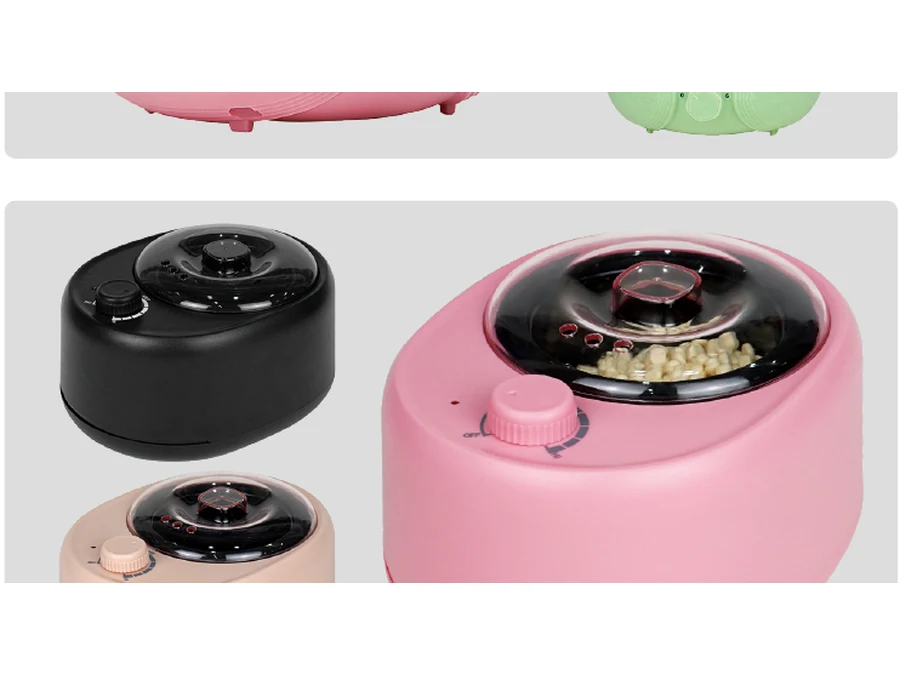
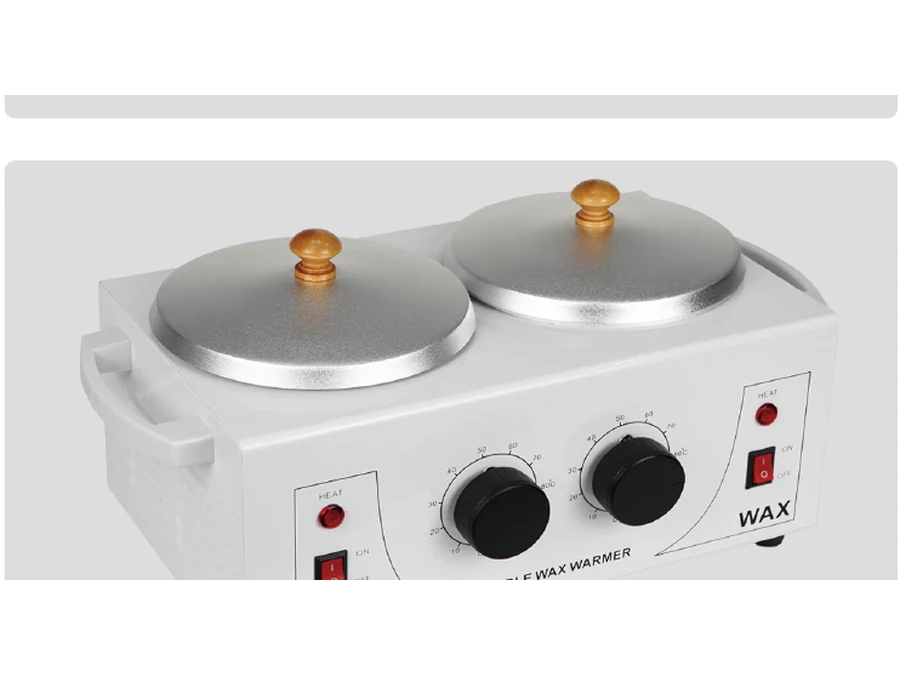
The supplied catalog includes several products with visible digital interfaces as well as classic dial/knob products. The listed capacity and power for these examples are generally 400ML–500ML and 100W, giving buyers an opportunity to compare interface and housing design while keeping some core specifications similar.
Because the catalog does not provide a verified temperature range for these models, the website should keep that field as “confirm by model” until an approved sample or technical document is available.
Which interface fits which customer?
Digital products can be positioned toward buyers who value a modern appearance, visible settings and a more feature-led listing. They may work well for e-commerce and private-label projects where interface photography contributes to perceived differentiation. Knob-control products can be positioned around simplicity, familiarity and straightforward use.
For distributors, it can be useful to carry one of each rather than treating them as substitutes. That lets the distributor offer distinct price and style positions without forcing every customer into one interface.
What to test on the sample
For digital models, verify display segments, buttons, mode logic, memory behavior if claimed, timer behavior if claimed, and what happens after power interruption. For knob models, check knob travel, markings, switch behavior and whether the control responds consistently across the intended operating range.
For both types, measure heating behavior using an agreed test method before publishing performance claims. Record the test conditions, wax/container setup and measurement method so later production checks can use the same reference.
How to write the product listing without overclaiming
Use factual wording such as “digital display interface” or “knob-control interface” when visually and technically confirmed. Separate verified specifications from buyer guidance. A useful product page can say that the digital interface supports a more modern presentation while also stating that final control functions and temperature behavior must be confirmed by model.
This distinction improves trust. It also gives AI search systems a clearer answer because the page separates what the product is from what the buyer should consider.
A simple decision framework
Choose digital when the channel benefits from a visible interface and the sample confirms the required functionality. Choose knob-control when simplicity, familiar operation or a classic price position matters more. If the buyer is unsure, sample one representative model of each and evaluate the actual user experience before finalizing packaging or marketing claims.
Buyer FAQ
Are digital wax heaters more accurate?
Not necessarily. A display does not prove temperature accuracy. Accuracy should be verified by testing the exact model.
Are knob heaters easier to use?
They can be simpler for users familiar with rotary controls, but usability is subjective and should be evaluated on the sample.
Can I advertise an exact temperature range?
Only after the range is verified for the exact model and configuration. The supplied catalog does not provide a verified temperature range for the listed models.
Which type is better for Amazon?
Either can work. Digital interfaces may provide stronger visual differentiation, while knob models may support a simpler proposition. Listing claims should match verified functions.
Shortlist models before asking for a final quote
Use the catalog-listed specifications to create a short list, then send WAXLUXE one RFQ with target market, quantity, voltage/frequency, plug, branding, packaging, sample and delivery requirements. This reduces back-and-forth and makes the quotation easier to compare.
How WAXLUXE should document evidence for this topic
For every product or sourcing claim used on the public website, keep a simple evidence record. Catalog-derived facts should reference the catalog page. Sample-derived facts should reference the sample model, date and approved configuration. Test-derived claims should record the method and result. Packaging facts should reference the approved artwork and packing specification. Compliance statements should reference the exact document and model scope. This evidence hierarchy prevents sales copy, quotations and website content from drifting apart.
When a field is not yet verified, publish a transparent status such as “confirm by model” or “confirm according to target market” instead of filling the gap with a common industry value. This is useful for B2B buyers because it tells them what information must be resolved before ordering. It is also useful for AI search because the page contains specific facts and explicit uncertainty rather than confident but unsupported claims.
After the first production order, update the product record with verified details that are stable across production. Examples can include confirmed inner-pot material, control functions, included accessories, retail-box dimensions and approved electrical variants. Do not convert one buyer’s custom configuration into a universal specification for all future orders. Keep configuration-specific facts attached to the relevant SKU or version.
Finally, review buyer questions from RFQs and customer-service conversations. If the same question appears repeatedly, add a concise answer to the appropriate product page, comparison page or guide. This creates a knowledge base driven by real buyer intent rather than by keyword volume alone.
Procurement note: Before issuing a final purchase order, reconcile the public product page, quotation, approved sample, artwork and packing list. If any field differs, the signed purchase specification should state which version controls. This step is particularly important when a housing is available with multiple control panels, voltage variants or accessory combinations.
Procurement note: Before issuing a final purchase order, reconcile the public product page, quotation, approved sample, artwork and packing list. If any field differs, the signed purchase specification should state which version controls. This step is particularly important when a housing is available with multiple control panels, voltage variants or accessory combinations.
Procurement note: Before issuing a final purchase order, reconcile the public product page, quotation, approved sample, artwork and packing list. If any field differs, the signed purchase specification should state which version controls. This step is particularly important when a housing is available with multiple control panels, voltage variants or accessory combinations.
Procurement note: Before issuing a final purchase order, reconcile the public product page, quotation, approved sample, artwork and packing list. If any field differs, the signed purchase specification should state which version controls. This step is particularly important when a housing is available with multiple control panels, voltage variants or accessory combinations.
Procurement note: Before issuing a final purchase order, reconcile the public product page, quotation, approved sample, artwork and packing list. If any field differs, the signed purchase specification should state which version controls. This step is particularly important when a housing is available with multiple control panels, voltage variants or accessory combinations.
Procurement note: Before issuing a final purchase order, reconcile the public product page, quotation, approved sample, artwork and packing list. If any field differs, the signed purchase specification should state which version controls. This step is particularly important when a housing is available with multiple control panels, voltage variants or accessory combinations.
Procurement note: Before issuing a final purchase order, reconcile the public product page, quotation, approved sample, artwork and packing list. If any field differs, the signed purchase specification should state which version controls. This step is particularly important when a housing is available with multiple control panels, voltage variants or accessory combinations.
Procurement note: Before issuing a final purchase order, reconcile the public product page, quotation, approved sample, artwork and packing list. If any field differs, the signed purchase specification should state which version controls. This step is particularly important when a housing is available with multiple control panels, voltage variants or accessory combinations.