How to Choose a Wax Heater for Wholesale and Private Label Projects
For wholesale and private-label sourcing, choose a wax heater by buyer use case, verified catalog specifications, electrical configuration and approval workflow—not by appearance alone.
- Start with the buyer, not the heater
- Build a product ladder instead of choosing one model
- Use capacity as a workflow decision
- Confirm electrical configuration early
- Turn private label into a controlled approval process
- Use a pre-shipment checklist that matches the product
- Send an RFQ that can be quoted without guessing
Start with the buyer, not the heater
A strong wholesale assortment starts with the customer who will use or resell the product. A distributor may want a broad ladder of entry, mid-range and professional models. A private-label e-commerce seller may prefer fewer models with clearer visual differentiation and packaging potential. A salon chain may care more about workflow, repeat use and service consistency than shelf appeal.
Before comparing product photos, write down five facts: the buyer type, target country or region, intended sales channel, target quantity, and whether the project needs private label. These facts determine which technical and commercial questions matter most. For example, a compact 400ML or 500ML heater can fit many retail and salon projects, while a large paraffin bath belongs to a different use case and should not be compared only on capacity.
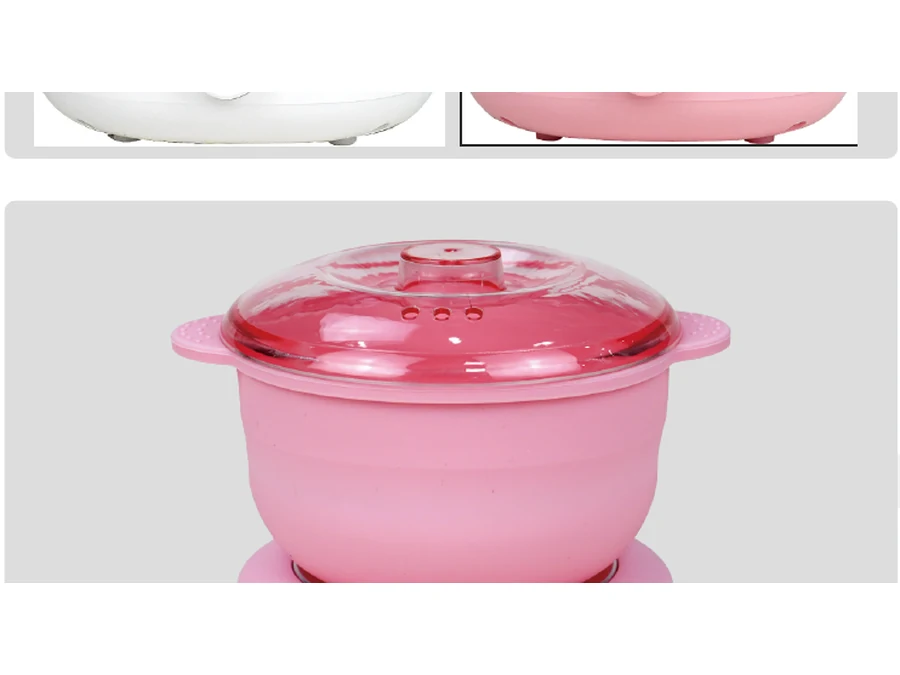
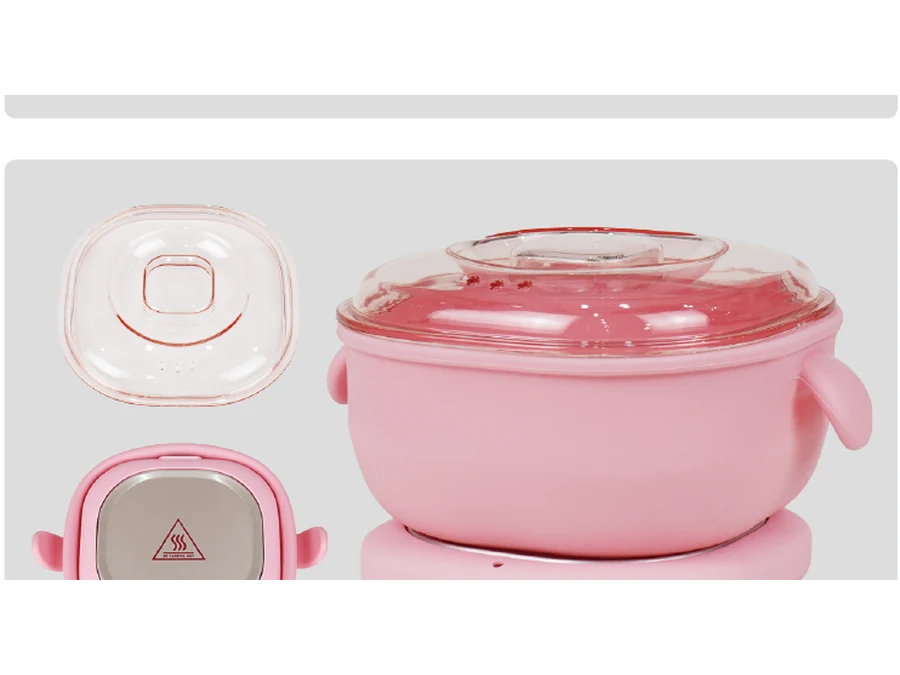
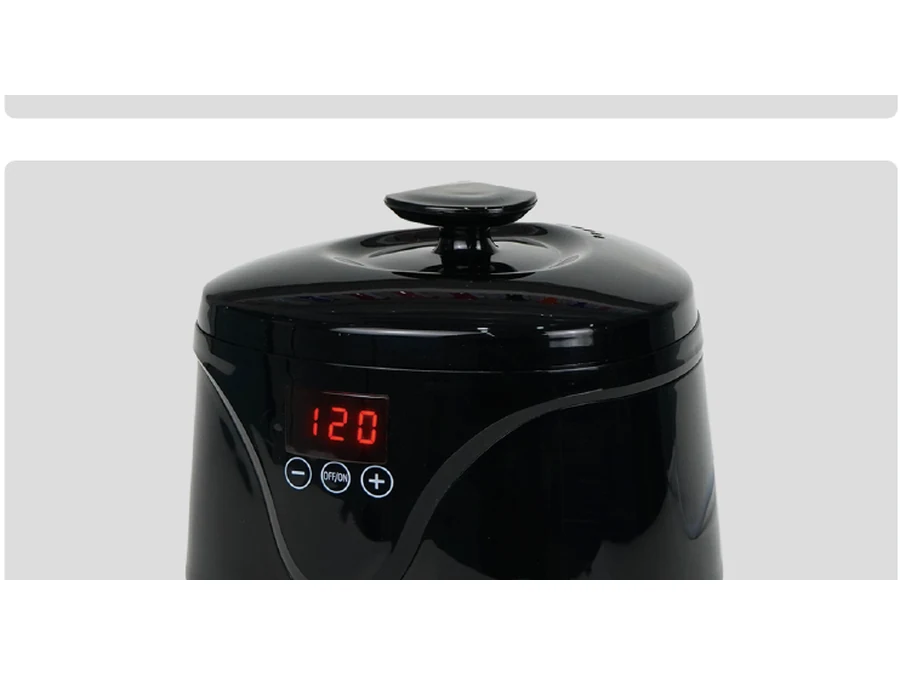
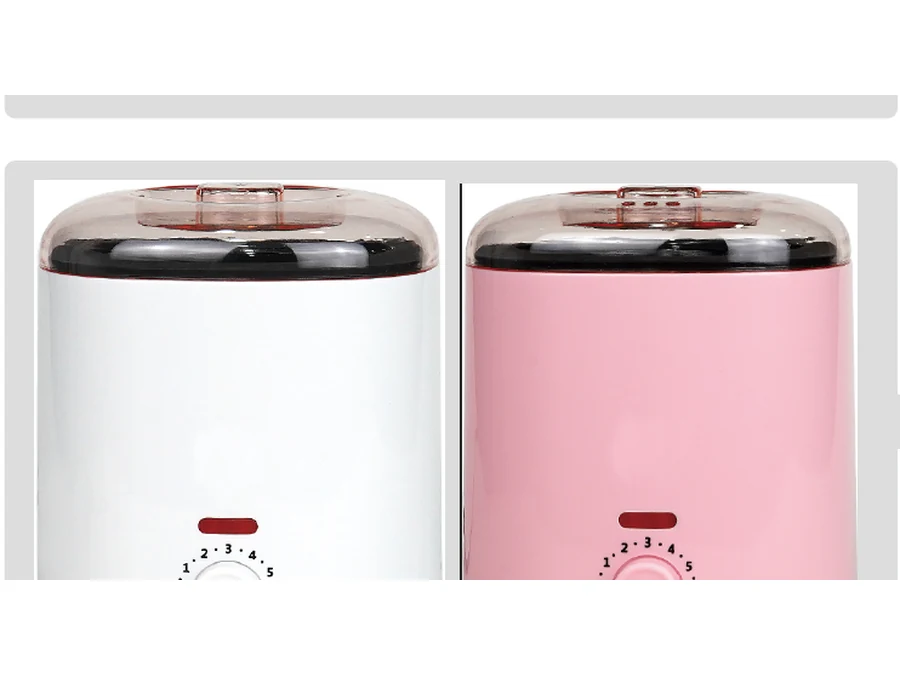
The supplied catalog contains several distinct product families: digital 400ML heaters, compact 400–600ML pot heaters, roll-on cartridge heaters, multi-pot systems, professional stations and 2500–4000ML paraffin baths. Treat those families as separate buyer solutions rather than one undifferentiated product list.
Build a product ladder instead of choosing one model
| Model | Capacity | Power | Voltage/Frequency | Category |
|---|---|---|---|---|
| YSM-6001A | 400ML | 100W | 220V/50Hz – 110V/60Hz | Digital Wax Heaters |
| SM-500A | 500ML | 100W | 220V/50Hz – 110V/60Hz | Digital Wax Heaters |
| SM-500B | 500ML | 100W | 220V/50Hz – 110V/60Hz | Single Pot Wax Heaters |
| SM-66 | 300ML | 80W | 220V/50Hz – 110V/60Hz | Roll-On Wax Heaters |
| SM-187 | 2000ML | 100W | 220V/50Hz – 110V/60Hz | Professional Wax Stations |
| SM-508 | 4000ML | 200W | 220V/50Hz – 110V/60Hz | Paraffin Wax Baths |
This sample ladder illustrates how a buyer can cover different use cases without listing every model at once. The point is not that one model is “best”; the point is to give each model a job in the range. A digital 500ML model can occupy a more feature-led position, a classic single-pot heater can cover the core segment, a roll-on station can address cartridge users, and a professional station or paraffin bath can extend the assortment into higher-capacity workflows.
When two models look similar, compare catalog-listed capacity, power, dimensions and carton information first. Then request sample-level confirmation for controls, accessories, materials, heating behavior and packaging. This prevents a common sourcing error: treating visual similarity as proof that products have identical construction or performance.
Use capacity as a workflow decision
Capacity is useful only when connected to the intended workflow. In the supplied catalog, roll-on units are commonly listed at 150ML per single unit, several pot heaters are listed at 400ML–600ML, professional station SM-187 is listed at 2000ML, and paraffin baths range from 2500ML to 4000ML. These are materially different product types.
For retail projects, a smaller capacity can support compact packaging and a simpler proposition. For repeated salon use, buyers may value a larger pot or multiple stations, but larger is not automatically better: it changes footprint, shipping volume, warm-up expectations and user handling. For paraffin care, the bath opening and usable internal dimensions can matter as much as the nominal capacity, so those details should be verified on the sample.
A practical RFQ should therefore state the intended end use instead of asking only for “500ML or 1000ML”. The supplier can then shortlist models based on actual format, not just one number.
Confirm electrical configuration early
The catalog repeatedly lists 220V/50Hz and 110V/60Hz configurations across the wax-heater range. That does not mean every destination market can use either version interchangeably, and it does not confirm a particular plug. The buyer should specify the destination market and required electrical configuration before sample approval.
For each shortlisted model, confirm the rating label, voltage, frequency, plug, cord, manual language and packaging statements. If compliance testing or documentation is required, confirm the exact model/configuration that the documents cover. Do not reuse a certificate claim from a visually similar product without checking scope.
Electrical configuration should also be frozen before packaging artwork is finalized, because rating labels, manuals and carton marks may depend on it.
Turn private label into a controlled approval process
Private label is more than adding a logo. A complete OEM brief should include model, target quantity, housing color, logo position and method, packaging style, manual, labels, barcode, carton marks, voltage/frequency, plug and the exact accessory set. If any function or structural change is requested, treat it as a separate engineering confirmation rather than an artwork change.
The sample should be approved against a written checklist. Photograph the approved logo placement, control panel, label, packaging and included accessories. Keep the approved artwork files and version numbers. When production is ready, inspection should compare bulk goods with that approved reference.
This workflow is especially important for an independent brand such as WAXLUXE because consistency across product pages, packaging and physical goods contributes to trust and reduces customer-service confusion.
Use a pre-shipment checklist that matches the product
A basic wax-heater inspection should cover power-on, heating function, control operation, housing and lid condition, pot fit, power cord and plug, rating label, manual, accessories and packaging. Multi-pot and roll-on stations require additional checks for each compartment or cartridge position. Paraffin baths require confirmation of usable bath area and the approved operating controls.
Where a specification is not listed in the supplied catalog, do not add it to the website as a fixed claim until it is measured or documented. Examples include exact temperature range, heating time, thermostat tolerance, housing material and inner-pot material. Once verified, store the result with the model record and update both the product page and schema data.
This “publish only what is verified” rule helps both human buyers and AI search systems distinguish reliable product facts from generic marketing language.
Send an RFQ that can be quoted without guessing
A useful RFQ includes: company and country, buyer type, target channel, shortlisted model numbers, quantity by model, target market, voltage/frequency, plug, logo requirement, housing color, packaging requirement, manual language, labels/barcodes, sample requirement and target delivery date. Add reference artwork when available.
If the buyer is unsure which model fits, provide the use case and price segment rather than forcing a model choice too early. A supplier can then propose alternatives with documented differences.
Keep commercial questions—MOQ, sample cost, unit price, packaging cost, lead time and shipping terms—separate from technical confirmation. This makes later quote comparisons clearer and avoids mixing assumptions with final specifications.
Buyer FAQ
What is the best wax heater for wholesale?
There is no single best model. The right choice depends on buyer type, target market, use case, capacity, controls, packaging and order quantity. Shortlist by verified specifications first.
Should I choose digital or knob control?
Choose based on target customer and required interface. Confirm the actual functions and control behavior on the approved sample; do not infer temperature precision from the display alone.
Can WAXLUXE products be private labeled?
Logo, color, packaging, manuals and labels can be discussed by project, but feasibility, MOQ and method must be confirmed for each model.
Are voltage and plug the same thing?
No. Voltage/frequency and plug/cord configuration are separate items and should both be specified in the RFQ.
Can I rely on the catalog for every technical detail?
Use the catalog for the fields it lists. Ask for sample or document verification for unlisted details such as exact temperature behavior, materials, included accessories and compliance scope.
Shortlist models before asking for a final quote
Use the catalog-listed specifications to create a short list, then send WAXLUXE one RFQ with target market, quantity, voltage/frequency, plug, branding, packaging, sample and delivery requirements. This reduces back-and-forth and makes the quotation easier to compare.
How WAXLUXE should document evidence for this topic
For every product or sourcing claim used on the public website, keep a simple evidence record. Catalog-derived facts should reference the catalog page. Sample-derived facts should reference the sample model, date and approved configuration. Test-derived claims should record the method and result. Packaging facts should reference the approved artwork and packing specification. Compliance statements should reference the exact document and model scope. This evidence hierarchy prevents sales copy, quotations and website content from drifting apart.
When a field is not yet verified, publish a transparent status such as “confirm by model” or “confirm according to target market” instead of filling the gap with a common industry value. This is useful for B2B buyers because it tells them what information must be resolved before ordering. It is also useful for AI search because the page contains specific facts and explicit uncertainty rather than confident but unsupported claims.
After the first production order, update the product record with verified details that are stable across production. Examples can include confirmed inner-pot material, control functions, included accessories, retail-box dimensions and approved electrical variants. Do not convert one buyer’s custom configuration into a universal specification for all future orders. Keep configuration-specific facts attached to the relevant SKU or version.
Finally, review buyer questions from RFQs and customer-service conversations. If the same question appears repeatedly, add a concise answer to the appropriate product page, comparison page or guide. This creates a knowledge base driven by real buyer intent rather than by keyword volume alone.