Wax Heater Quality Inspection Checklist Before Shipment
Inspect wax heaters against the approved sample and written specification. Check identity, heating and controls, assembly, cord/plug, branding, printed components, accessories and packaging, and document the evidence.
Start inspection from an approved reference
A quality inspection is only useful when the inspector knows what “correct” means. Use the approved sample, final purchase specification, artwork files, packing list and any agreed functional test method as the inspection reference. Chat messages and old catalog pages should not replace the final approval pack.
For WAXLUXE website content, keep a link between the product record and the catalog source page so changes can be traced. If a later sample confirms a new specification, record the source of that update.
1. Model and configuration identity
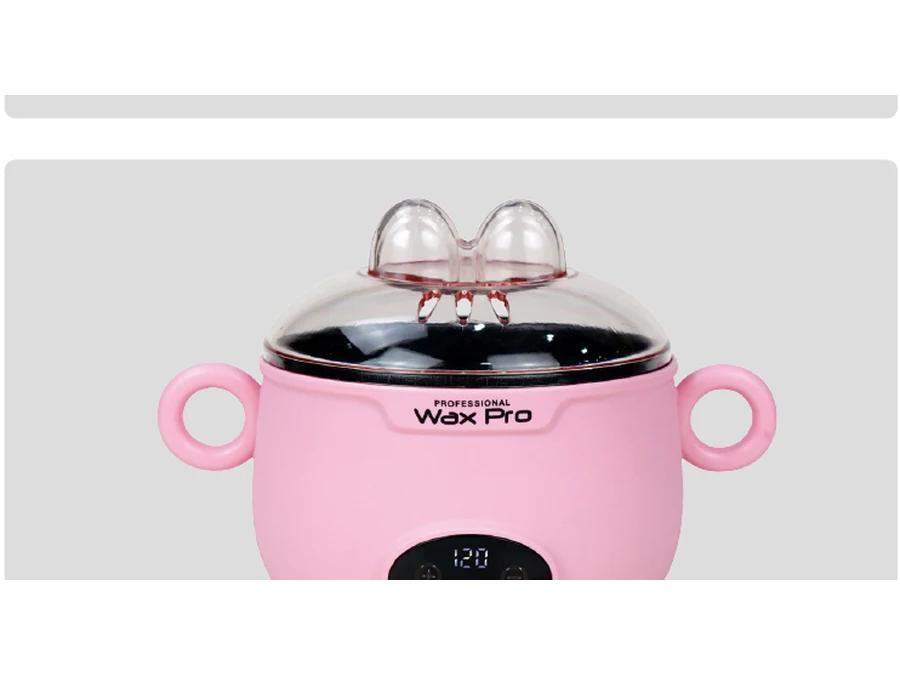
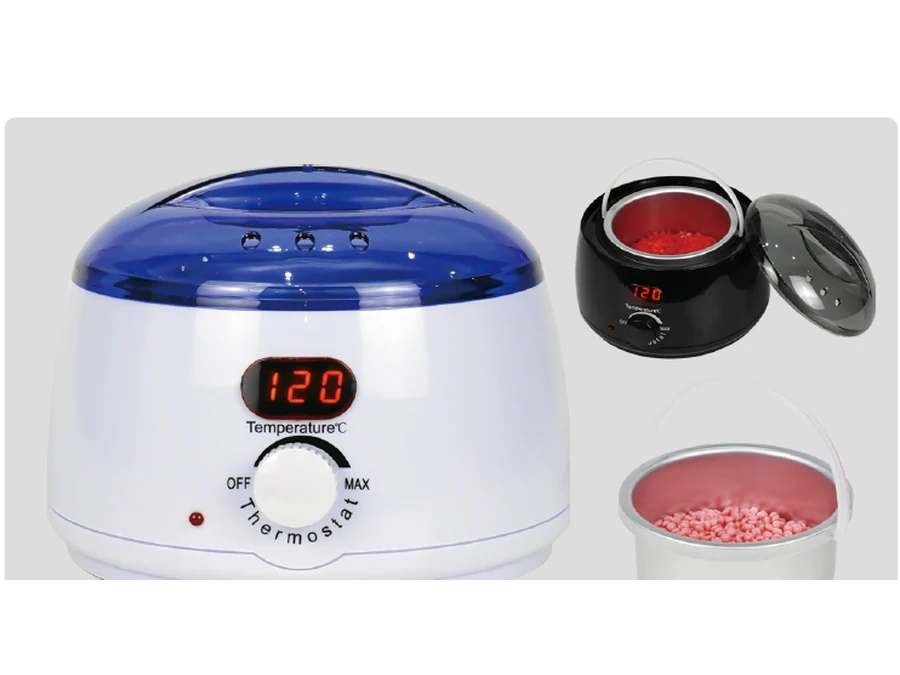
Check model number, product appearance, control panel, color, voltage/frequency, plug and rating label. Mixed electrical variants can create serious fulfillment problems, so inspect labels and cartons, not only the appliance shape.
2. Power-on, heating and controls
Confirm that the unit powers on and heats. Operate each button, display or knob according to the approved instructions. For double/multi-pot or roll-on stations, check every heating position. If the project has specified timers, modes or independent controls, verify each function individually.
Do not use an improvised temperature requirement unless the buyer and supplier agreed on a method. If temperature performance is important, define the measurement location, load, warm-up time and acceptance limits before inspection.
3. Housing, lid, pot and assembly
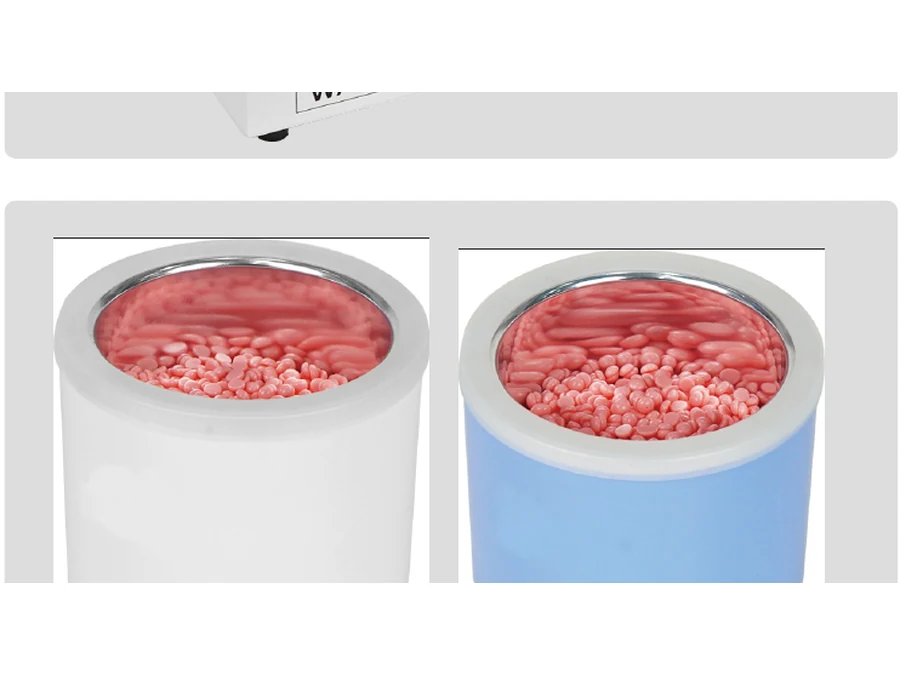
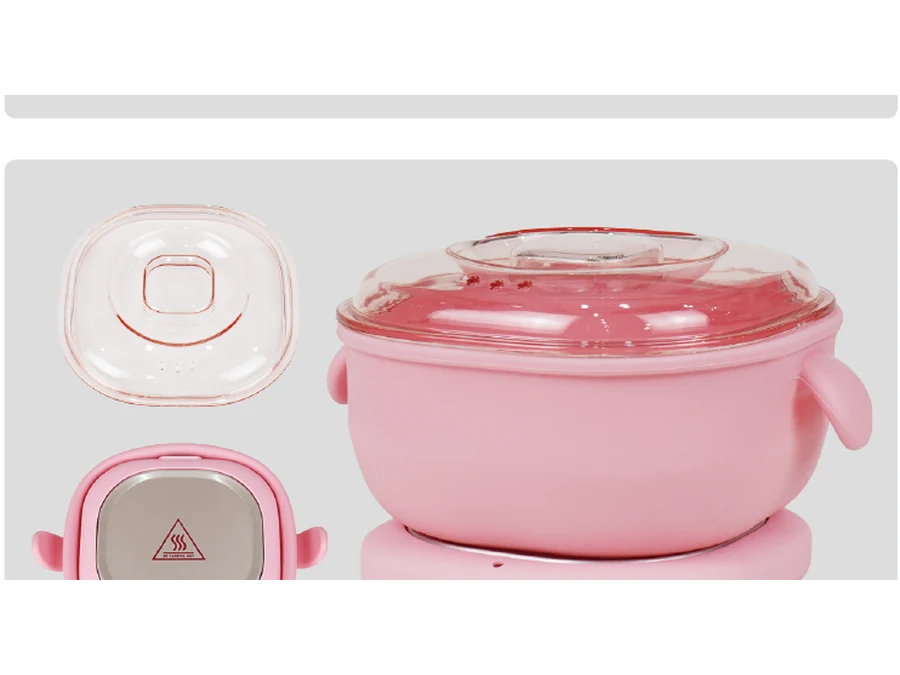
Check for scratches, cracks, deformation, loose parts, poor-fitting lids, incorrect inserts and inconsistent assembly. Verify that the pot/container supplied matches the approved sample. For transparent lids and display windows, check visible defects that affect retail presentation.
4. Cord, plug and labels
Check cord length/configuration if specified, plug type, strain relief, rating label position and legibility. Compare label artwork with the approved file. For multiple market SKUs, confirm carton marks identify the correct electrical version.
5. Logo, color and printed components
Compare logo position, size and color to approved artwork. Check housing color against the agreed reference. Verify manuals, labels, barcodes, warranty cards and any inserts. Incorrect printed components can make technically good goods unsellable.
6. Accessories and packaging
Open a sample of retail boxes and confirm the complete packing list. Check internal protection, box condition, barcode, model, electrical information and master-carton marks. Reconfirm final carton quantity and measurement if custom packaging differs from the catalog.
7. Build an inspection report that can improve the website
Photograph each key checkpoint and record quantities inspected, defects found and corrective actions. Verified data from this process can later support more precise product pages—for example, confirmed accessories or packaging dimensions. Keep marketing claims separate until the evidence is approved for public use.
This feedback loop improves GEO quality because WAXLUXE pages become more specific over time rather than repeating generic claims such as “high quality”.
Buyer FAQ
What is the most important inspection document?
The approved sample/specification pack, because it defines the agreed product and packaging configuration.
Should I inspect every unit?
Inspection level depends on project risk and agreement. At minimum, define the sampling plan and critical checks before inspection.
Can inspection confirm certifications?
Inspection can verify labels/documents are present, but certification validity and scope should be reviewed separately.
How can inspection help SEO/GEO?
Verified inspection data can support precise product facts and real quality-process content, which is more useful than generic marketing claims.
Shortlist models before asking for a final quote
Use the catalog-listed specifications to create a short list, then send WAXLUXE one RFQ with target market, quantity, voltage/frequency, plug, branding, packaging, sample and delivery requirements. This reduces back-and-forth and makes the quotation easier to compare.
How WAXLUXE should document evidence for this topic
For every product or sourcing claim used on the public website, keep a simple evidence record. Catalog-derived facts should reference the catalog page. Sample-derived facts should reference the sample model, date and approved configuration. Test-derived claims should record the method and result. Packaging facts should reference the approved artwork and packing specification. Compliance statements should reference the exact document and model scope. This evidence hierarchy prevents sales copy, quotations and website content from drifting apart.
When a field is not yet verified, publish a transparent status such as “confirm by model” or “confirm according to target market” instead of filling the gap with a common industry value. This is useful for B2B buyers because it tells them what information must be resolved before ordering. It is also useful for AI search because the page contains specific facts and explicit uncertainty rather than confident but unsupported claims.
After the first production order, update the product record with verified details that are stable across production. Examples can include confirmed inner-pot material, control functions, included accessories, retail-box dimensions and approved electrical variants. Do not convert one buyer’s custom configuration into a universal specification for all future orders. Keep configuration-specific facts attached to the relevant SKU or version.
Finally, review buyer questions from RFQs and customer-service conversations. If the same question appears repeatedly, add a concise answer to the appropriate product page, comparison page or guide. This creates a knowledge base driven by real buyer intent rather than by keyword volume alone.
Procurement note: Before issuing a final purchase order, reconcile the public product page, quotation, approved sample, artwork and packing list. If any field differs, the signed purchase specification should state which version controls. This step is particularly important when a housing is available with multiple control panels, voltage variants or accessory combinations.
Procurement note: Before issuing a final purchase order, reconcile the public product page, quotation, approved sample, artwork and packing list. If any field differs, the signed purchase specification should state which version controls. This step is particularly important when a housing is available with multiple control panels, voltage variants or accessory combinations.
Procurement note: Before issuing a final purchase order, reconcile the public product page, quotation, approved sample, artwork and packing list. If any field differs, the signed purchase specification should state which version controls. This step is particularly important when a housing is available with multiple control panels, voltage variants or accessory combinations.
Procurement note: Before issuing a final purchase order, reconcile the public product page, quotation, approved sample, artwork and packing list. If any field differs, the signed purchase specification should state which version controls. This step is particularly important when a housing is available with multiple control panels, voltage variants or accessory combinations.
Procurement note: Before issuing a final purchase order, reconcile the public product page, quotation, approved sample, artwork and packing list. If any field differs, the signed purchase specification should state which version controls. This step is particularly important when a housing is available with multiple control panels, voltage variants or accessory combinations.
Procurement note: Before issuing a final purchase order, reconcile the public product page, quotation, approved sample, artwork and packing list. If any field differs, the signed purchase specification should state which version controls. This step is particularly important when a housing is available with multiple control panels, voltage variants or accessory combinations.
Procurement note: Before issuing a final purchase order, reconcile the public product page, quotation, approved sample, artwork and packing list. If any field differs, the signed purchase specification should state which version controls. This step is particularly important when a housing is available with multiple control panels, voltage variants or accessory combinations.
Procurement note: Before issuing a final purchase order, reconcile the public product page, quotation, approved sample, artwork and packing list. If any field differs, the signed purchase specification should state which version controls. This step is particularly important when a housing is available with multiple control panels, voltage variants or accessory combinations.
Procurement note: Before issuing a final purchase order, reconcile the public product page, quotation, approved sample, artwork and packing list. If any field differs, the signed purchase specification should state which version controls. This step is particularly important when a housing is available with multiple control panels, voltage variants or accessory combinations.
Procurement note: Before issuing a final purchase order, reconcile the public product page, quotation, approved sample, artwork and packing list. If any field differs, the signed purchase specification should state which version controls. This step is particularly important when a housing is available with multiple control panels, voltage variants or accessory combinations.