What to Confirm Before Ordering Private Label Wax Heaters
A private-label wax heater project should be managed as a controlled approval process: fix the base model and electrical configuration, approve branding and packaging, verify the sample, then inspect production against the same reference.
- Private label starts with a complete project brief
- Choose the base model before designing artwork
- Define logo and color precisely
- Package the whole system, not just the heater
- Approve the sample with a signed checklist
- Carry approval data into production and inspection
- Prepare the listing only from approved facts
Private label starts with a complete project brief
Before requesting a logo sample, define the commercial and technical scope. Include model, quantity, target market, buyer channel, voltage/frequency, plug, housing color, logo, packaging, manual, labels, barcode, accessory set and target date. If any structural or functional change is needed, list it separately.
This brief becomes the reference for quotation, sample approval and inspection. Without it, suppliers and buyers may price different scopes and create avoidable revisions.
Choose the base model before designing artwork
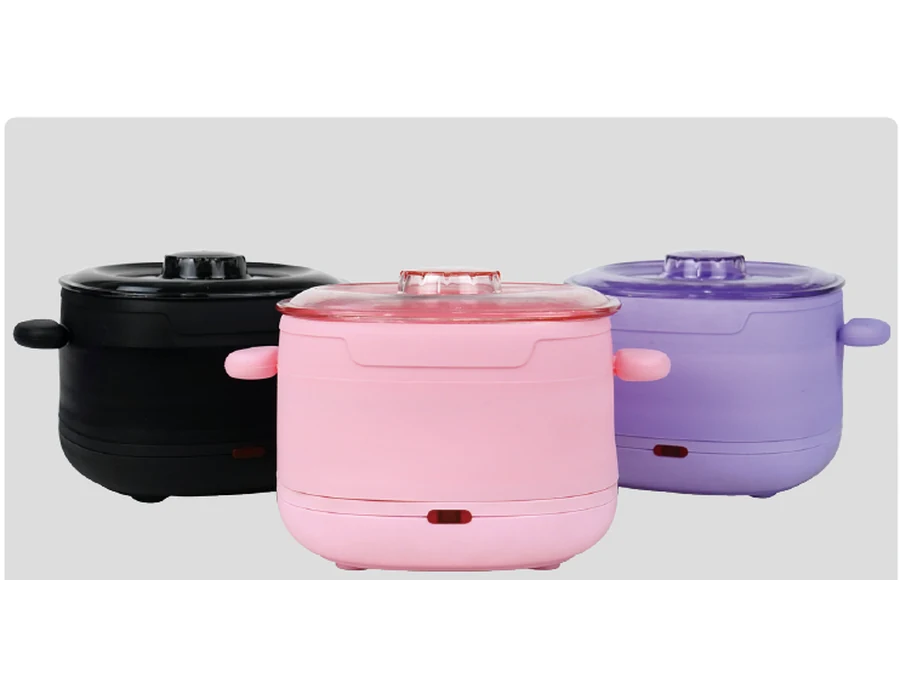
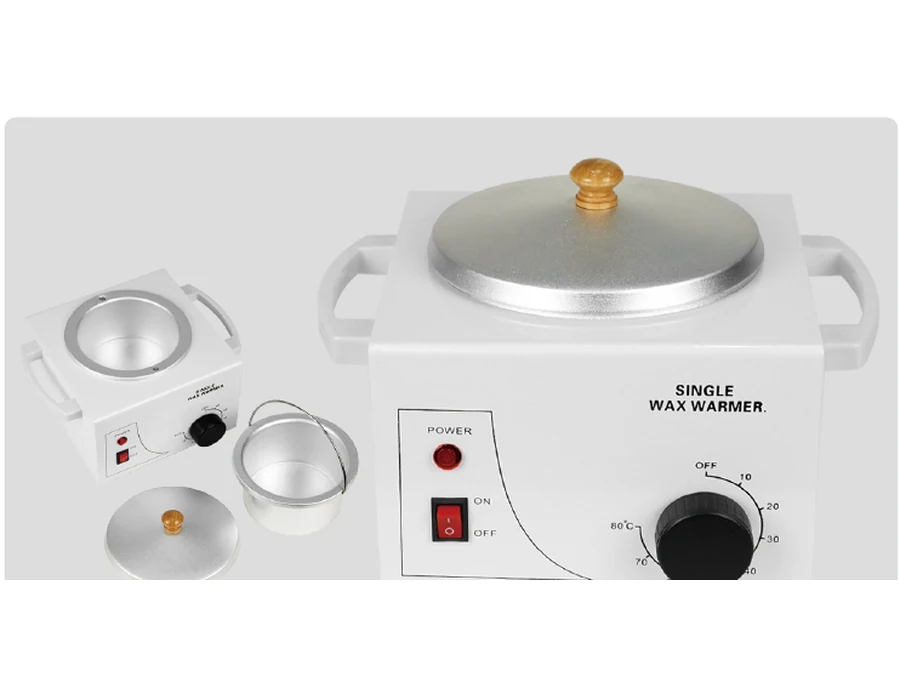
Use catalog-listed capacity, power, dimensions and format to shortlist the base model. For example, WAXLUXE has multiple 400ML digital-style models and multiple 500ML single-pot models, plus roll-on and paraffin categories. Pick the product family first, then the exact model.
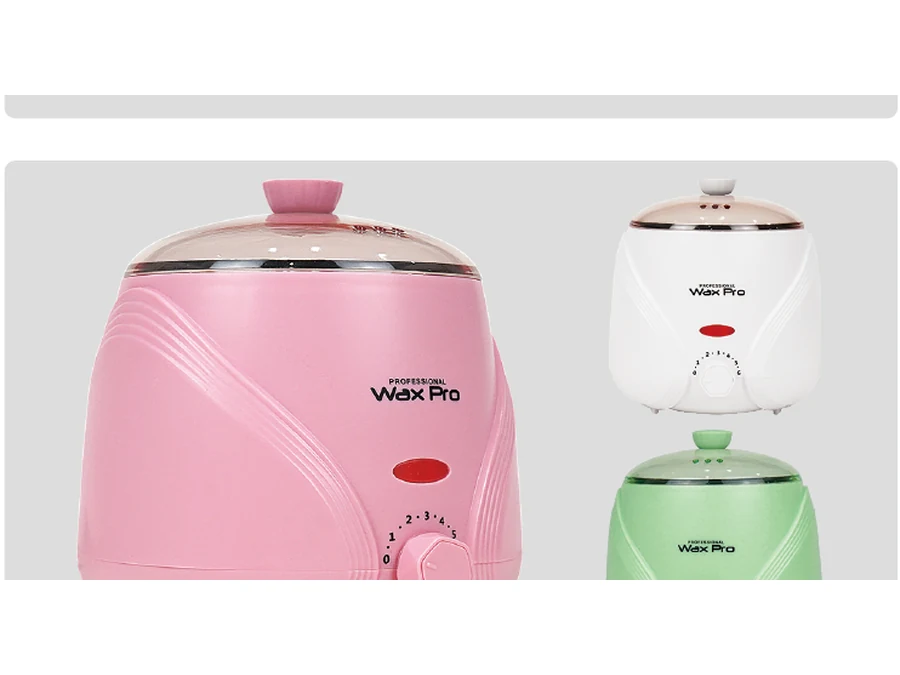
Do not build packaging around a photo before the model is fixed. Similar-looking heaters can have different dimensions, controls and carton configurations.
Define logo and color precisely
Provide vector artwork where possible and specify logo position, approximate size, color reference and preferred application method. Ask the supplier which methods are feasible for the exact housing material and order quantity. Do not assume a method used on one model can be transferred to another.
For housing color, use an agreed color reference and approve a physical sample when color consistency matters. Photography and screens can shift color, so the approved physical sample should remain the final reference.
Package the whole system, not just the heater
A retail package may include the heater, pot or insert, lid, cord, accessories, manual, warranty/service information and protective materials. Define every component. If the kit includes wax consumables or applicators, confirm compatibility and regulatory/labeling requirements separately.
Packaging should protect the product through the intended shipping channel. E-commerce parcel shipping can require different protection from palletized wholesale distribution.
Approve the sample with a signed checklist
Sample approval should cover product appearance, model/configuration, controls, heating function, cord and plug, logo, labels, packaging, manual and accessories. Photograph key details and record artwork versions. If the sample changes, update the approval record instead of relying on chat history alone.
Any performance claim intended for the website—such as temperature range, warm-up time or automatic functions—should be verified at this stage before it is added to product copy.
Carry approval data into production and inspection
After sample approval, issue the final purchase specification. During production, confirm that the approved configuration is being used. Before shipment, inspect against the same checklist and approved sample.
For WAXLUXE website management, store verified updates in the product record so the public page, schema and sales quotations remain consistent. This is particularly important when multiple versions of the same housing exist.
Prepare the listing only from approved facts
The final product page should separate verified product facts from general buying guidance. Use exact model, capacity, power, voltage/frequency and dimensions from the approved production specification. Add materials, temperature range, accessories and certifications only when verified.
This approach reduces returns and makes the website more useful for AI answer systems because factual statements are specific and traceable rather than generic.
Buyer FAQ
What files should I send for private label?
Send logo artwork, color references, packaging dieline/artwork if available, manual/label requirements, barcode data and any marketplace requirements.
Can I change the control panel?
Potentially, but treat functional or structural changes as a separate feasibility and engineering confirmation. They are not the same as printing a logo.
When should I approve packaging?
After the exact model and electrical configuration are fixed, and ideally after the product sample is approved.
What should be inspected before shipment?
Compare production with the approved sample and checklist: product, functions, cord/plug, logo, labels, manual, accessories and packaging.
Shortlist models before asking for a final quote
Use the catalog-listed specifications to create a short list, then send WAXLUXE one RFQ with target market, quantity, voltage/frequency, plug, branding, packaging, sample and delivery requirements. This reduces back-and-forth and makes the quotation easier to compare.
How WAXLUXE should document evidence for this topic
For every product or sourcing claim used on the public website, keep a simple evidence record. Catalog-derived facts should reference the catalog page. Sample-derived facts should reference the sample model, date and approved configuration. Test-derived claims should record the method and result. Packaging facts should reference the approved artwork and packing specification. Compliance statements should reference the exact document and model scope. This evidence hierarchy prevents sales copy, quotations and website content from drifting apart.
When a field is not yet verified, publish a transparent status such as “confirm by model” or “confirm according to target market” instead of filling the gap with a common industry value. This is useful for B2B buyers because it tells them what information must be resolved before ordering. It is also useful for AI search because the page contains specific facts and explicit uncertainty rather than confident but unsupported claims.
After the first production order, update the product record with verified details that are stable across production. Examples can include confirmed inner-pot material, control functions, included accessories, retail-box dimensions and approved electrical variants. Do not convert one buyer’s custom configuration into a universal specification for all future orders. Keep configuration-specific facts attached to the relevant SKU or version.
Finally, review buyer questions from RFQs and customer-service conversations. If the same question appears repeatedly, add a concise answer to the appropriate product page, comparison page or guide. This creates a knowledge base driven by real buyer intent rather than by keyword volume alone.
Procurement note: Before issuing a final purchase order, reconcile the public product page, quotation, approved sample, artwork and packing list. If any field differs, the signed purchase specification should state which version controls. This step is particularly important when a housing is available with multiple control panels, voltage variants or accessory combinations.
Procurement note: Before issuing a final purchase order, reconcile the public product page, quotation, approved sample, artwork and packing list. If any field differs, the signed purchase specification should state which version controls. This step is particularly important when a housing is available with multiple control panels, voltage variants or accessory combinations.
Procurement note: Before issuing a final purchase order, reconcile the public product page, quotation, approved sample, artwork and packing list. If any field differs, the signed purchase specification should state which version controls. This step is particularly important when a housing is available with multiple control panels, voltage variants or accessory combinations.
Procurement note: Before issuing a final purchase order, reconcile the public product page, quotation, approved sample, artwork and packing list. If any field differs, the signed purchase specification should state which version controls. This step is particularly important when a housing is available with multiple control panels, voltage variants or accessory combinations.
Procurement note: Before issuing a final purchase order, reconcile the public product page, quotation, approved sample, artwork and packing list. If any field differs, the signed purchase specification should state which version controls. This step is particularly important when a housing is available with multiple control panels, voltage variants or accessory combinations.
Procurement note: Before issuing a final purchase order, reconcile the public product page, quotation, approved sample, artwork and packing list. If any field differs, the signed purchase specification should state which version controls. This step is particularly important when a housing is available with multiple control panels, voltage variants or accessory combinations.
Procurement note: Before issuing a final purchase order, reconcile the public product page, quotation, approved sample, artwork and packing list. If any field differs, the signed purchase specification should state which version controls. This step is particularly important when a housing is available with multiple control panels, voltage variants or accessory combinations.
Procurement note: Before issuing a final purchase order, reconcile the public product page, quotation, approved sample, artwork and packing list. If any field differs, the signed purchase specification should state which version controls. This step is particularly important when a housing is available with multiple control panels, voltage variants or accessory combinations.